


English
Request a Quote




As of 2026, the biopharmaceutical industry is experiencing unprecedented growth. Monoclonal antibodies (mAbs) have become a well-established therapeutic modality, while antibody-derived formats -- such as bispecific antibodies, antibody-drug conjugates (ADCs), and antibody-oligonucleotide conjugates (AOCs) -- are being approved by regulatory agencies at an accelerating pace or are advancing through clinical development.
Yet this remarkable progress has taken place within just four decades. In the mid-1980s, the biopharmaceutical landscape was still in its infancy. The approval of OKT3, the first monoclonal antibody therapeutic developed by Johnson & Johnson in 1986, marked the beginning of the antibody era. At that time, however, production technologies were far less mature. Antibody discovery relied heavily on hybridoma technology, gene copy numbers were low, serum-containing media were widely used, CHO cells had not yet become the dominant expression platform, cell-specific productivity (qp) remained low, as did peak viable cell density and integral viable cell concentration (IVCC). As a result, antibody titers typically ranged from only 10–50 mg/L (Walsh & Walsh, 2022). Under these conditions, the primary challenge for downstream processing was the efficient capture of relatively small amounts of antibody, while upstream production scale was not yet the major bottleneck.
However, this situation changed dramatically with advances in cell line engineering and bioprocess technologies. The maturation of DHFR (dihydrofolate reductase) and GS (glutamine synthetase) amplification systems enabled substantial increases in gene of interest (GOI) copy numbers through selective pressure. Site-specific transposition further improved transgene integration efficiency. Cell culture media also underwent continuous evolution, progressing from serum-containing formulations to protein-reduced media and ultimately to today's widely adopted chemically defined (CD) media, enabling more precise control of cell culture performance. At the same time, fed-batch processes provided increasingly effective control over cellular metabolism. Together, these advances have driven an exponential increase in upstream antibody titers over the past four decades.
Today, antibody titers of 5–10 g/L have become routine across the industry, while intensified perfusion processes can approach 20 g/L (Liang et al., 2023). Manufacturing scales have likewise expanded from approximately 2,000 L to 5,000 L and even 20,000 L bioreactors. This dramatic increase in upstream productivity has substantially reduced the cost of antibody production, driving continuous reductions in cost of goods (COGs). At the same time, however, downstream processing has become the new bottleneck.
Industrial chromatography systems cannot be simply scaled up in parallel with upstream production. Column diameter is constrained by flow distribution and pressure limitations, with commercial production columns typically reaching a maximum diameter of around 2 m and packed bed volumes generally remaining below 1,000 L. In addition, downstream operations remain considerably less automated than upstream manufacturing, with many process steps still requiring manual intervention. As a result, processing the harvest from a 10,000 L bioreactor producing 10 g/L of antibody presents an enormous challenge for downstream purification.
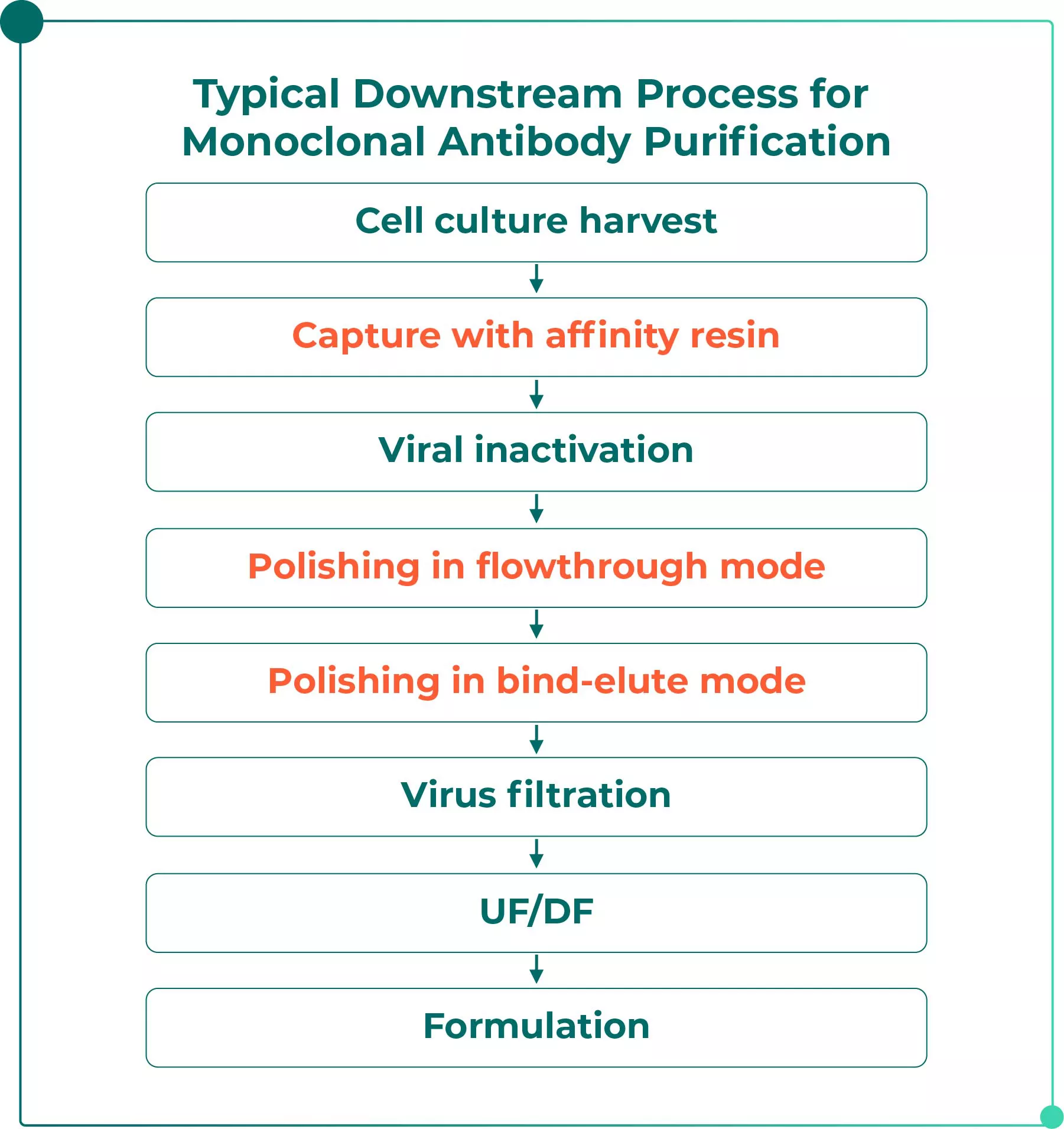
Figure 1. Typical Downstream Process for Monoclonal Antibody Purification
A typical monoclonal antibody downstream process begins with Protein A chromatography for capture, followed by viral inactivation. The product is then further purified through two polishing chromatography steps before undergoing virus filtration, concentration, and formulation.
To keep pace with steadily increasing upstream titers and manufacturing scales, downstream processing has continued to evolve along three key directions:
This strategy is straightforward yet highly effective. As upstream productivity continues to increase, downstream processing must evolve accordingly. One approach is to increase column size to accommodate larger resin volumes. More importantly, however, continuous innovation has focused on the chromatography resin itself—the core component responsible for separation performance.
Over the past several decades, resin manufacturers have continuously engineered Protein A ligands through domain modification, replacement, and recombinant engineering, steadily increasing dynamic binding capacity (DBC). At the same time, advances in agarose matrix engineering have significantly improved the mechanical strength of chromatography resins, enabling operation at higher flow rates under elevated pressures. These improvements have substantially increased manufacturing throughput, shortened processing times, and reduced the demand on manufacturing facilities and equipment. For CDMOs in particular, higher throughput means more available production slots and improved manufacturing efficiency.
Following years of continuous development and optimization, Bestchrom's Protein A resin portfolio, built on the high-pressure-resistant Diamond matrix, enables efficient processing at higher flow rates with shorter residence times. Multiple commercial products are now available to meet a wide range of purification requirements. For example, while maintaining excellent alkaline stability and long operational lifetime, the latest Extrem A Diamond resin achieves a dynamic binding capacity approaching 80 mg/mL at a 6-minute residence time, as shown in Table 1.
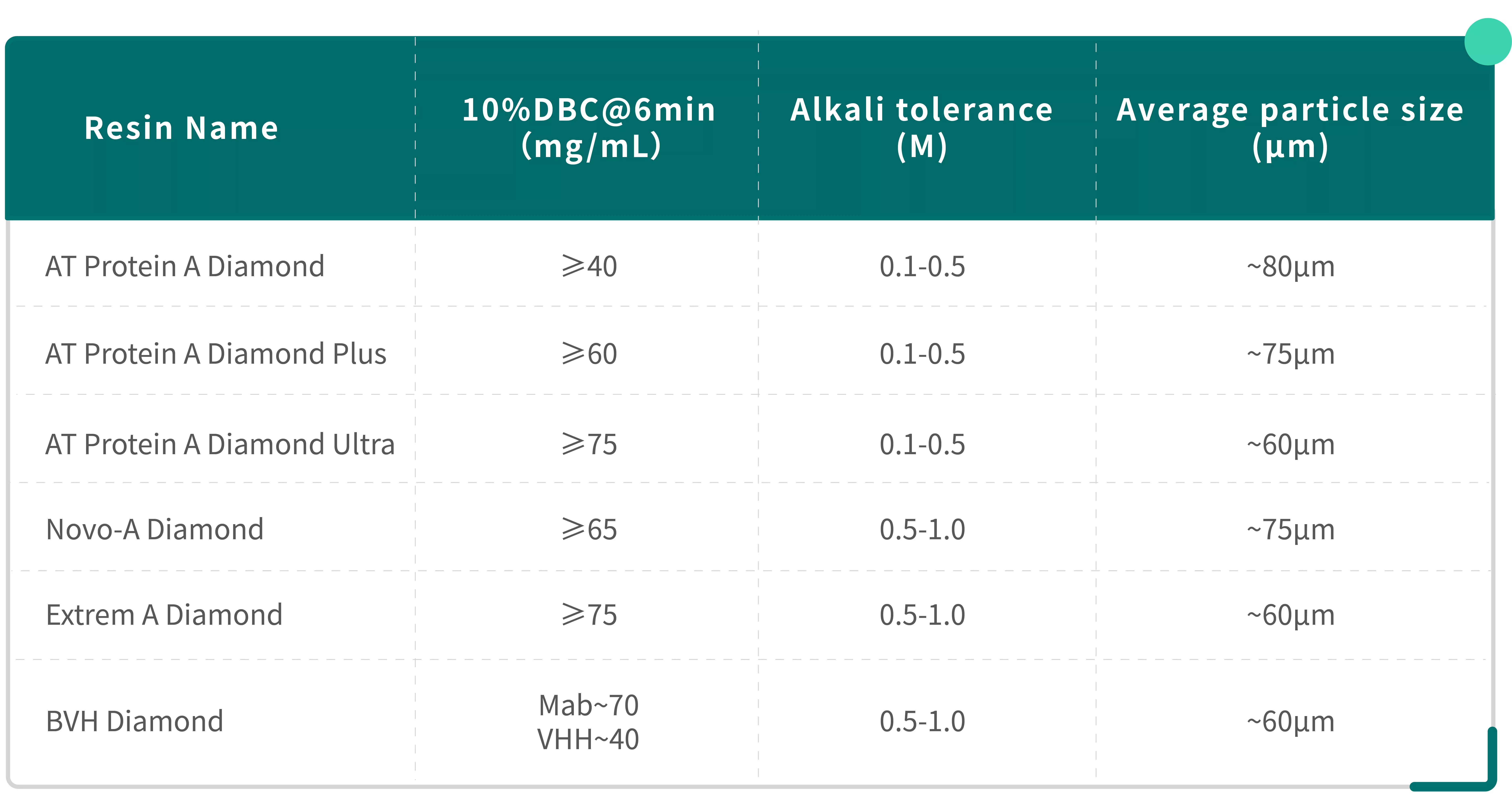
Table 1. Bestchrom Protein A Resin Portfolio
To cope with the increasing production demands driven by high upstream titers, most biopharmaceutical manufacturers have adopted a common strategy: maximizing resin productivity by increasing binding capacity and reducing residence time, thereby increasing the volume of feed that can be processed per liter of resin per unit time.
Continuous manufacturing has long been established in industries such as petrochemicals, metallurgy, and automotive production. In recent years, the biopharmaceutical industry has also accelerated its adoption of continuous manufacturing. In 2019, the U.S. FDA issued a statement supporting the implementation of continuous manufacturing for biopharmaceuticals and published guidance on quality considerations. Meanwhile, continuous perfusion cell culture has made significant advances and is becoming increasingly widespread. As upstream production shifts toward continuous operation, downstream purification has emerged as the key rate-limiting step in the overall manufacturing process.
The core concept behind continuous chromatography is straightforward: rather than simply increasing column size, manufacturers employ multiple smaller columns to maximize resin utilization while increasing process throughput.
This strategy is feasible because conventional batch chromatography rarely utilizes the full binding capacity of the resin. The principle is illustrated in Figure 2. As shown in Figure 2(a), a typical antibody breakthrough curve is used to determine column loading. To minimize product loss, columns are normally loaded only to a relatively low breakthrough level, and the actual operating load is often set even lower as an additional safety margin. For example, if the measured 10% breakthrough dynamic binding capacity is 100 mg/mL, the operating load may be limited to only 80 mg/mL. Under these conditions, the resin remains far from saturation, typically utilizing only 50–60% of its available binding capacity (region A in Figure 2(a)), leaving a substantial proportion of the expensive Protein A resin unused.
Continuous multicolumn chromatography addresses this limitation by replacing the conventional single-column batch process (Figure 2(b)) with a series of interconnected columns operated in sequence (Figure 2(c)). Antibodies that break through the first column are immediately captured by the second column, allowing loading to continue until t₂, when the first column approaches full utilization (regions A + B). Resin utilization can thereby be increased to more than 90%. Once loading is complete, the first column is taken offline for washing, elution, regeneration, and equilibration, while the feed stream is redirected to the second column. After regeneration, the first column is reconnected to the system, enabling continuous cyclic operation (Jing et al., 2021; Steinebach et al., 2016).
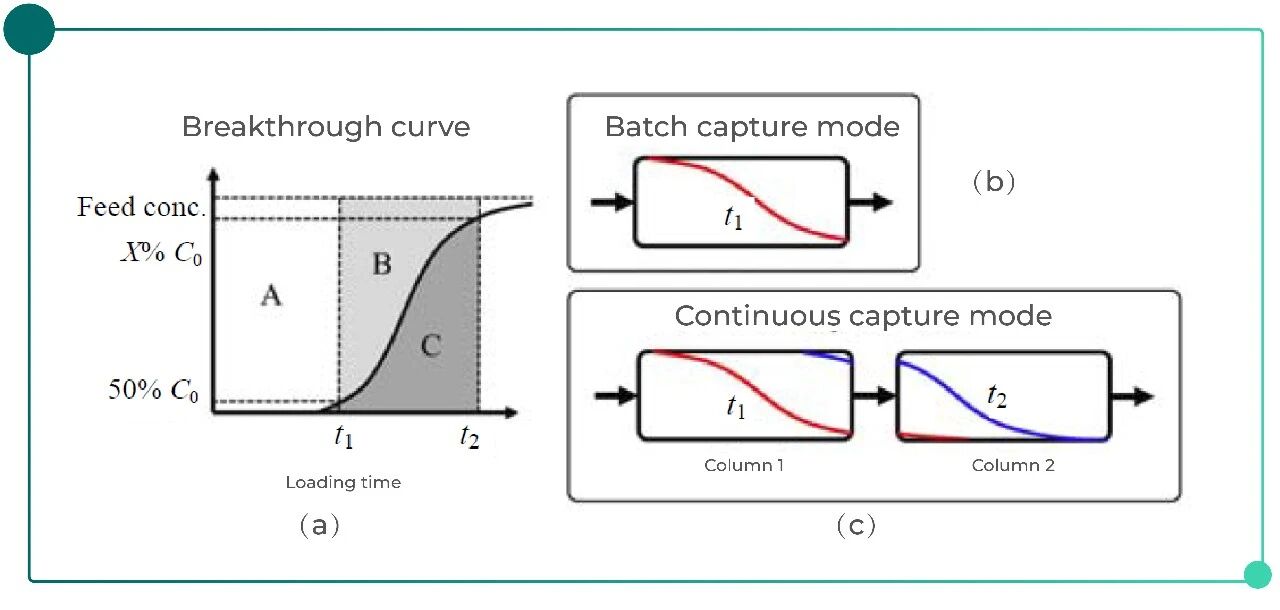
Figure 2. Principle of Continuous Capture Chromatography
A variety of continuous chromatography platforms and their associated control and modeling software are now available on the market. However, real-world implementation is far more complex than the simplified concept presented above (Jing et al., 2021)
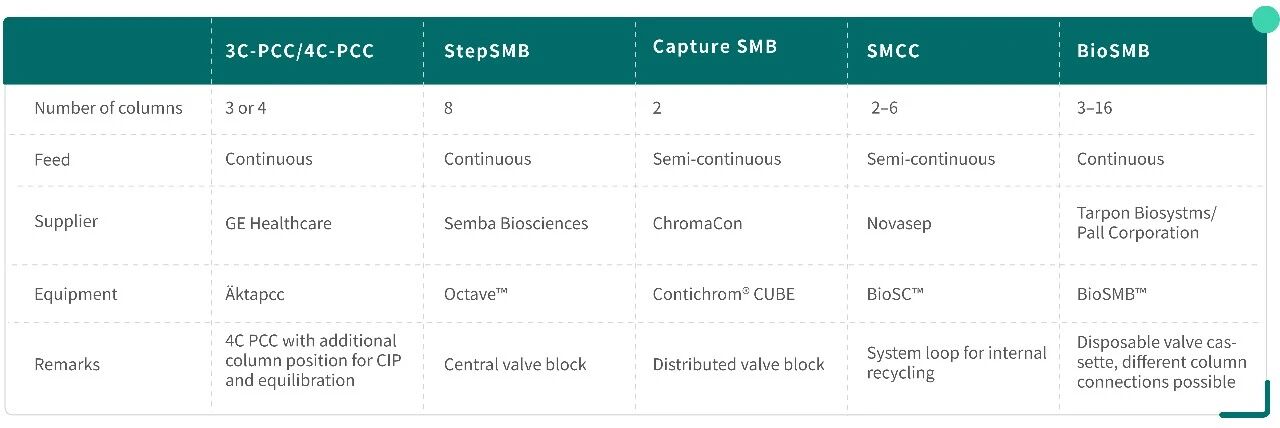
Table 2. Overview of Continuous Chromatography Systems for Protein Capture
Overall, continuous chromatography encompasses a variety of process configurations, each involving complex operation, numerous process parameters, and challenging process development and optimization. In continuous processing, the feed stream enters continuously while the product is collected continuously, meaning that any disruption at a single process step can compromise the entire manufacturing run. These challenges remain the primary barriers to the widespread adoption of continuous chromatography in large-scale biomanufacturing (Jing et al., 2021; Steinebach et al., 2016).
Unlike conventional packed-bed chromatography, membrane chromatography employs stacked porous membranes, typically only a few millimeters thick, functionalized with specific ligands such as Q anion-exchange ligands. During operation, the feed stream is driven through the membrane pores at high flow rates under pressure.
Conventional column chromatography relies primarily on diffusion-based mass transfer, requiring large biomolecules such as monoclonal antibodies to diffuse into the pores of the resin particles before binding to the immobilized ligands. In contrast, membrane chromatography is based on convective mass transfer, allowing target molecules to interact directly with ligands located on the membrane pore surfaces as they flow through the membrane. Because binding occurs with minimal reliance on slow intraparticle diffusion, processing times can be reduced from several hours to just a few minutes (Boi et al., 2020).
Although membrane chromatography and continuous manufacturing have attracted considerable attention in recent years, conventional column chromatography remains the dominant purification technology in commercial manufacturing, particularly at production scales exceeding 2,000 L. Why is this still the case?
In capture applications such as Protein A affinity chromatography for monoclonal antibodies, membrane chromatography provides substantially less available binding surface area than conventional chromatography resins with highly porous bead structures. The porous architecture of resin beads offers an exceptionally large internal surface area, resulting in a high density of ligand binding sites and, consequently, superior dynamic binding capacity. For example, Bestchrom Diamond Q has a specification of dynamic binding capacity greater than 100 mg/mL.
By contrast, membrane chromatography relies primarily on ligands located on the membrane pore surfaces. As a result, the available binding site density per unit volume is significantly lower, and its dynamic binding capacity is typically only 30–60% that of conventional chromatography resins.
A direct comparison by Boi et al. (2020), using identical 3 mL device volumes and the same Q anion-exchange ligand, demonstrated that under identical operating flow rates, the 10% breakthrough dynamic binding capacity of packed-bed chromatography reached 62.8 mg/mL, whereas membrane chromatography achieved only 20.7 mg/mL. Consequently, achieving the same binding capacity would require substantially larger membrane volumes or additional membrane layers, significantly increasing single-use material costs.
Membrane chromatography devices are typically designed for single-use or, at most, a limited number of cycles. While this eliminates the need for cleaning, regeneration, and the associated risk of cross-contamination, it also results in relatively high material costs that are difficult to amortize over multiple production runs, making membrane devices less cost-effective than reusable Protein A chromatography resins.
In contrast, chromatography resins exhibit excellent long-term stability and can withstand hundreds of purification cycles. Their cost is therefore distributed over many manufacturing batches, significantly reducing the purification cost per gram of product.
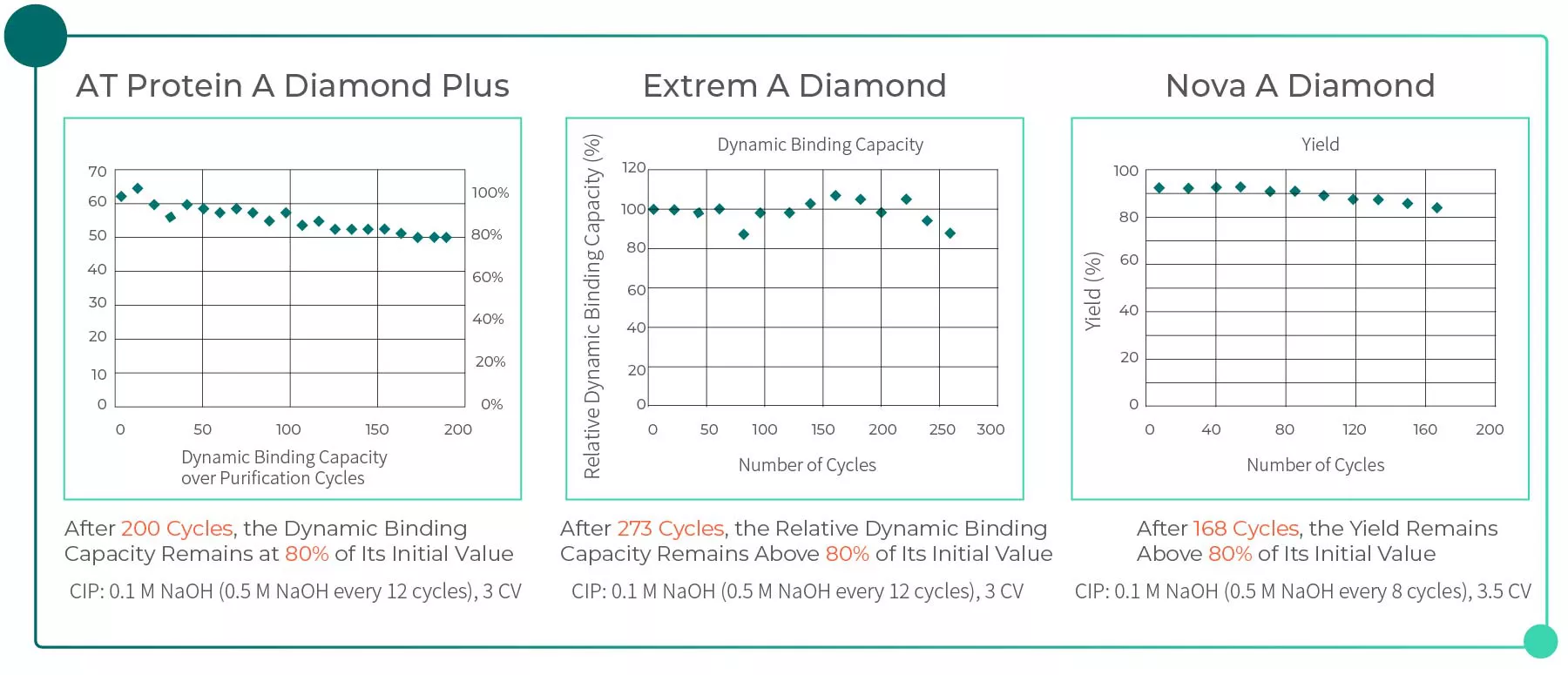
Figure 3. Bestchrom Affinity Resins Demonstrate a lifetime of Hundreds of Cycles
Quality control of therapeutic antibodies places stringent requirements on the removal of charge variants (acidic and basic variants) as well as aggregates, since these impurities directly affect product purity, safety, and efficacy. Packed-bed chromatography, with its well-defined resin bed and thousands of theoretical plates (N), provides significantly higher chromatographic resolution (Rs). The resolution equation is shown below:
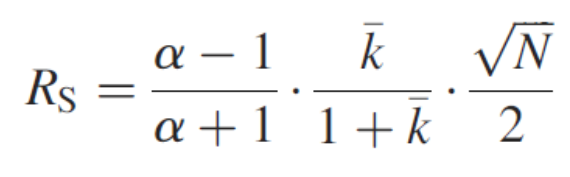
The number of theoretical plates (N) is a key measure of column efficiency, and chromatographic resolution (Rs) is proportional to the square root of N. Longer packed beds provide substantially higher values of N, enabling high-resolution gradient separations capable of resolving subtle differences in charge, molecular size, and hydrophobicity, thereby facilitating the efficient removal of critical impurities.
In contrast, membrane chromatography employs an extremely short flow path, typically only a few millimeters in thickness. Although this design enables rapid convective mass transfer, the effective separation path is limited, resulting in a much lower number of theoretical plates than conventional packed-bed chromatography. Consequently, membrane chromatography cannot provide the high-resolution gradient separations required for demanding purification tasks, particularly the separation of charge variants and aggregates. This fundamental limitation restricts its applicability at large manufacturing scales.
Although continuous chromatography and membrane chromatography offer clear advantages in throughput and process integration, commercial-scale antibody manufacturing now routinely operates at upstream titers exceeding 10 g/L and bioreactor scales reaching 10,000 L or more. Under these manufacturing conditions, conventional column chromatography continues to offer decisive advantages, including substantially higher dynamic binding capacity than membrane chromatography, a service life spanning hundreds of purification cycles, and the superior chromatographic resolution enabled by thousands of theoretical plates within a packed bed. Together, these characteristics ensure high product purity, cost-effective manufacturing, and robust process performance, reinforcing column chromatography as the cornerstone of industrial antibody purification.
[1]Steinebach F et al. Continuous counter-current chromatography for capture and polishing steps in biopharmaceutical production. Biotechnology Journal, 2016.
[2]Boi C et al. A direct comparison between membrane adsorber and packed column chromatography performance. Journal of Chromatography A, 2020.
[3]Jing S, et al. Recent Advances in Continuous Chromatography for Antibody Purification. Journal of Chemical Engineering of Chinese Universities. 2021.
[4]Walsh G, Walsh E. Biopharmaceutical benchmarks 2022. Nature Biotechnology, 2022.
[5]Liang et al. Enhancing and stabilizing monoclonal antibody production by Chinese hamster ovary (CHO) cells with optimized perfusion culture strategies. Frontiers in Bioengineering and Biotechnology, 2023.


Oct
15

Sep
24

Sep
11
.png)




.png)
.png)
.png)

.png)